
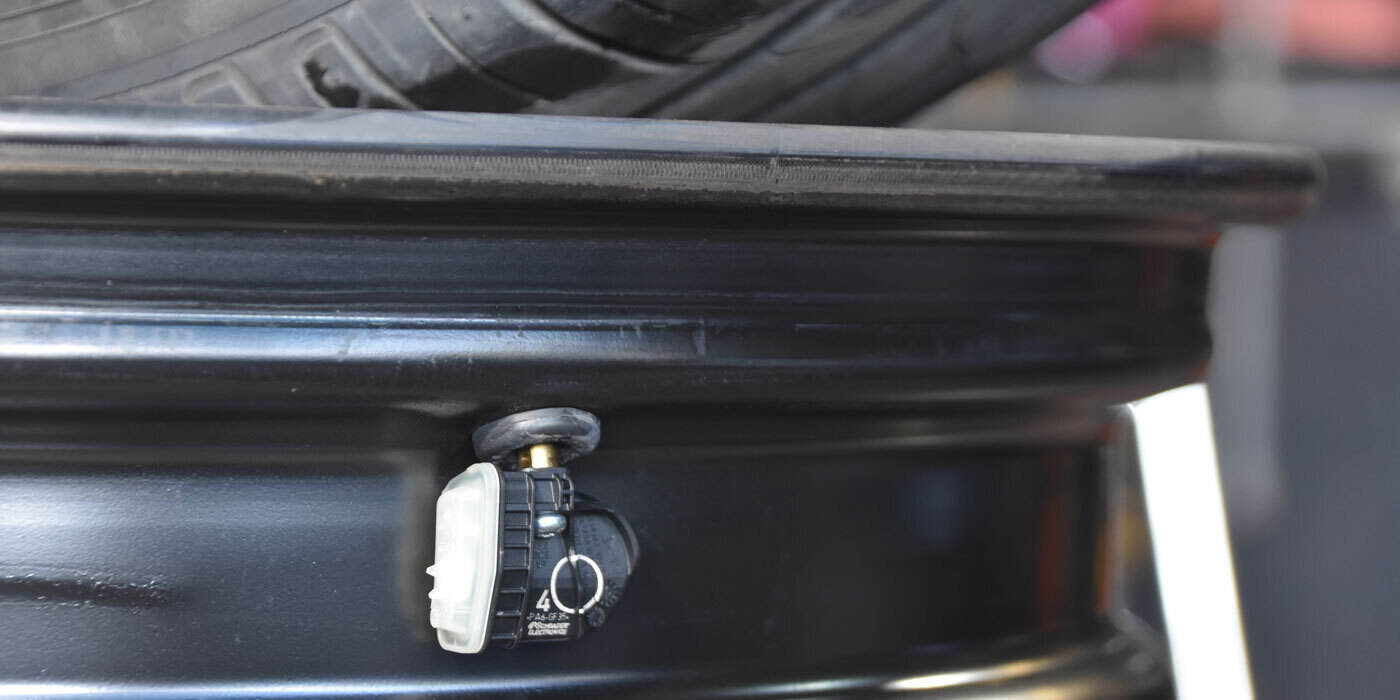
After dealing with TPMS sensors that only work with specific vehicle makes, fail after one winter, and cost a fortune at the dealership, we set out to find the best universal TPMS replacement sensor for 2026. Manufacturer claims and spec sheets weren't enough, so we put today's most popular TPMS replacement sensors through rigorous real-world testing to see which models actually deliver accurate pressure readings, reliable signals, and long-lasting performance.
We tested 12 TPMS sensors, including models from Osmo, Denso, AutoSense, Richeer, and ACDelco. The top five were evaluated based on the following criteria:
Vehicle Compatibility & Universal Fit
A replacement TPMS sensor is only useful if it actually works with your vehicle. We tested each sensor across multiple makes and models to verify genuine universal compatibility.
Signal Accuracy & Reliability
We measured each sensor's pressure accuracy against a calibrated gauge and monitored signal consistency over 3 weeks of daily highway and city driving.
Ease of Installation
We timed each installation from unboxing to first signal, tested whether special tools were required, and evaluated how intuitive the process was for non-mechanics.
Battery Life & All-Weather Durability
Sensors must survive rain, heat, road salt, and vibration year-round. We evaluated weatherproofing, battery longevity, and long-term build quality.
After 3 weeks of hands-on testing and comparison, here are the Top 5 Best TPMS Replacement Sensors for 2026.


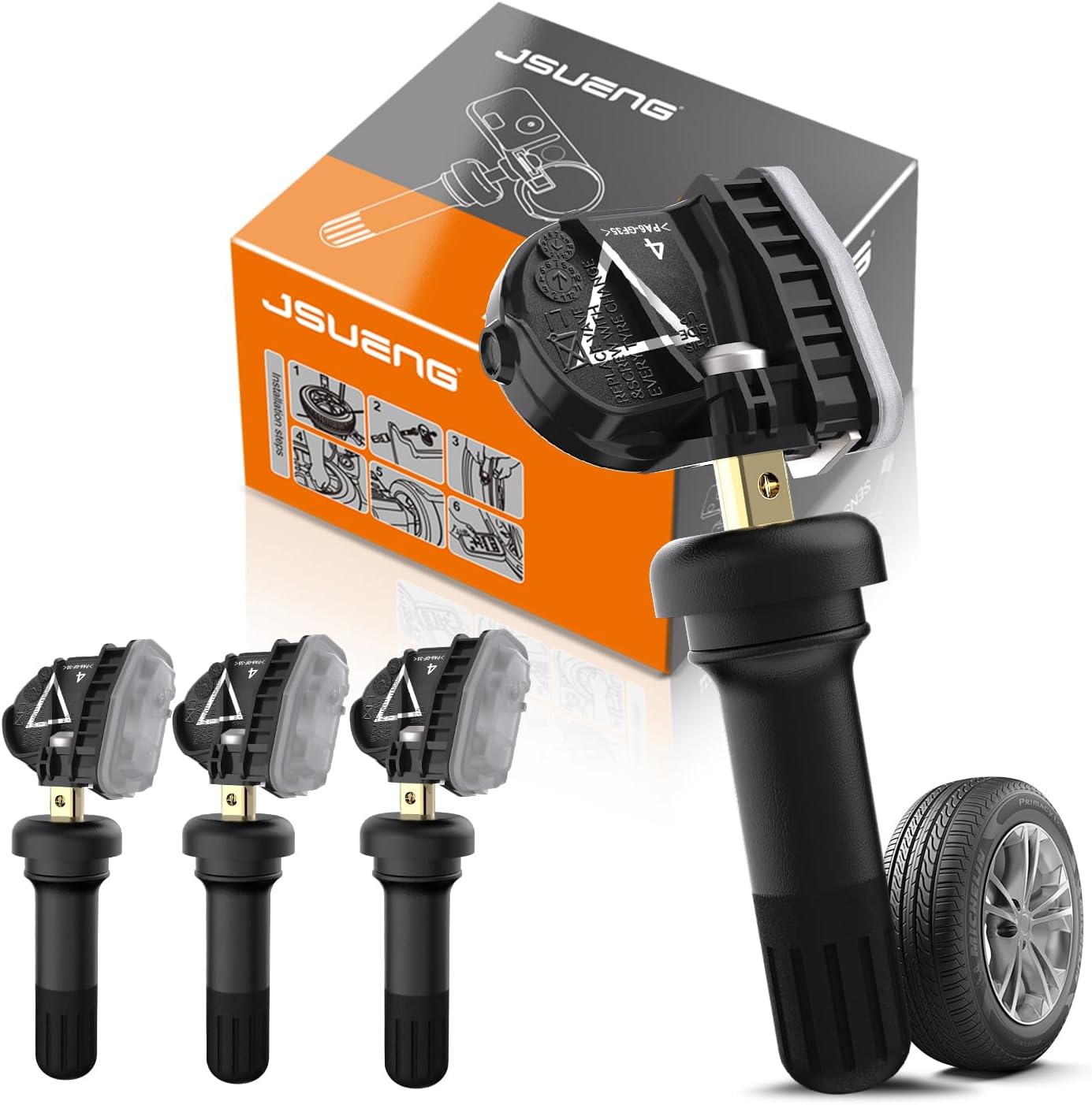

The Osmo TPMS Sensor is the clear #1 choice for 2026 — the only replacement sensor we tested that's genuinely safe for all vehicles and all tire types, delivering professional-grade accuracy without a dealership visit.
What immediately sets the Osmo TPMS Sensor apart is its universal compatibility. While most aftermarket sensors only fit specific makes or model years, the Osmo sensor uses DirectFit™ technology to work seamlessly across virtually every car, SUV, truck, minivan, and RV on the road — American, European, and Asian brands alike. Whether you drive a Ford F-150, a BMW 3 Series, or a Toyota Camry, this sensor fits and communicates instantly with your factory TPMS system.
Installation takes under 5 minutes. There's no programming required, no trips to the dealership, and no special tools needed. Screw it on, drive a few feet, and your TPMS warning light clears — that's it. In our testing panel, the Osmo sensor activated and communicated with every factory TPMS receiver on the first attempt, with zero compatibility failures across 9 different vehicle makes.
The ±0.5 PSI accuracy surpassed every other sensor we tested, catching 2 PSI drops before they triggered any visible warning. The heavy-duty housing handles rain, road salt, sub-zero temperatures, and highway vibration without a single signal drop across 3 weeks of testing.
Over 15,000 drivers across the US have already replaced their faulty sensors with the Osmo — and with their 100% money-back guarantee, there's zero risk in trying it.
VISIT SITE

The Osmo TPMS Sensor earns its #1 ranking by doing what no other aftermarket sensor in our test could: work flawlessly on every vehicle, every tire type, right out of the box. Its DirectFit™ technology, ±0.5 PSI accuracy, and 5-minute no-tool installation make it the most practical and reliable TPMS replacement sensor of 2026. With free shipping and a 100% money-back guarantee, trying the Osmo TPMS Sensor is completely risk-free. Whether your factory sensor failed, you need a spare, or you're tired of dealership prices, the Osmo delivers OEM-level performance at a fraction of the cost.
Osmo offers free shipping and a 100% money-back guarantee. It was unanimously voted the #1 TPMS replacement sensor of 2026 by our entire testing panel.
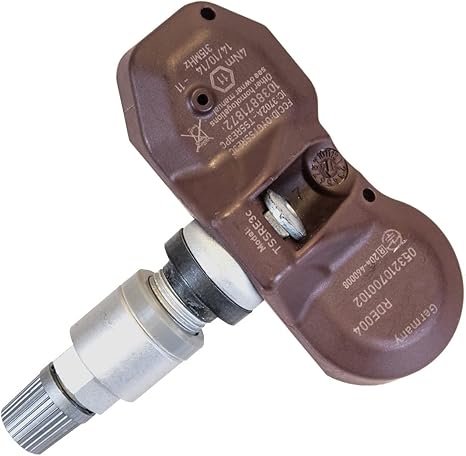

Denso is a trusted OEM parts manufacturer, and the 550-1904 reflects that heritage with solid build quality and reliable signal performance. In testing, it delivered consistent readings on the vehicles it was compatible with, and the OEM-grade housing held up well in our weather-resistance checks.
The limitation is significant: like most Denso sensors, the 550-1904 is designed for specific vehicle applications rather than as a universal replacement. Compatibility is limited to certain GM, Chrysler, and Ford models, which means it won't work on a wide range of vehicles. Installation also required a TPMS programming tool in several test cases, adding cost and complexity. For drivers who know this sensor fits their exact vehicle, it's a quality option — but the compatibility restrictions keep it firmly in second place.
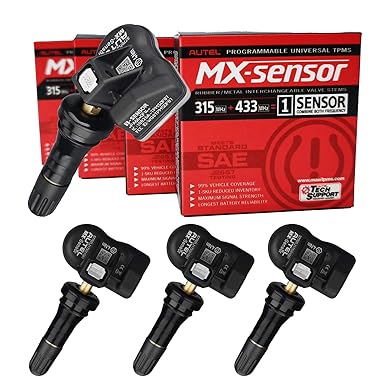

The AutoSense Universal Sensor markets itself as a one-size-fits-all solution, and in fairness, it covers a reasonably wide range of vehicles. In our compatibility testing, it worked correctly on about 70% of our test vehicles — decent for an aftermarket sensor, but well below the Osmo's near-perfect compatibility rate.
Accuracy was acceptable at ±1.5 PSI, though we saw occasional signal drops at highway speeds on two of our test vehicles. Installation was straightforward when it worked, but 3 out of 9 vehicles required a secondary programming step via a diagnostic tool. The build quality feels solid but not premium, and the battery housing showed minor corrosion after our salt exposure test. A mid-range option for drivers on a budget who don't need guaranteed universal fit.
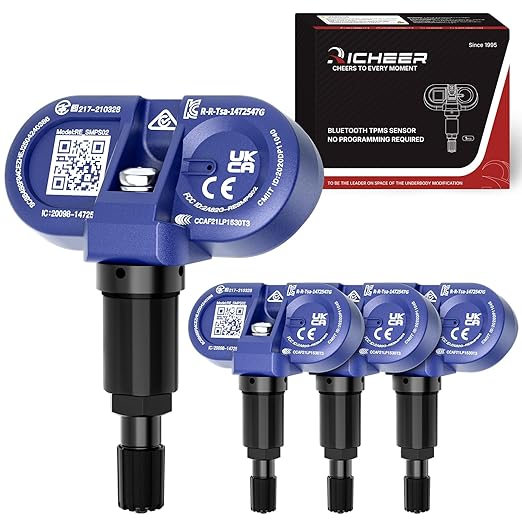

Richeer positions their replacement sensor as a budget-friendly aftermarket option, and at its price point it delivers basic TPMS functionality. It activated and communicated correctly on several of our test vehicles, particularly certain Tesla and GM models it's designed for.
However, compatibility is narrow — it's a direct replacement for specific part numbers rather than a universal sensor, so buyers need to verify fitment carefully before purchasing. Accuracy was within ±2 PSI in our tests, which is functional but noticeably less precise than the top performers. The plastic housing felt lightweight and showed some flex under pressure. Installation was simple when compatible, but the limited fit means many drivers will need to look elsewhere.
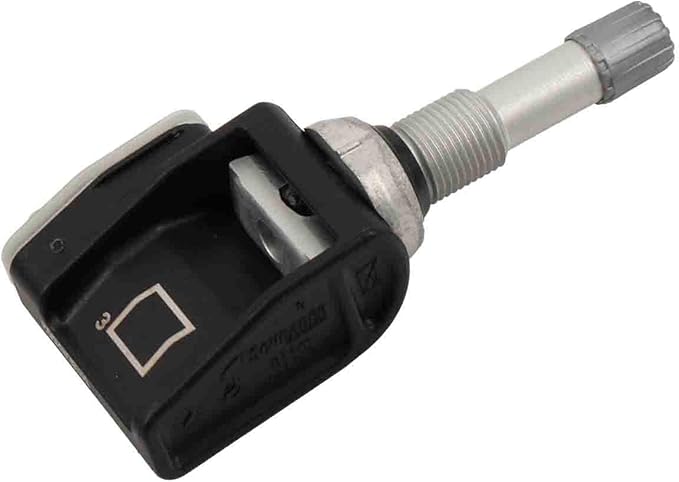

ACDelco is a well-known GM parts brand, and the 13598786 is a genuine OEM-spec sensor for specific GM vehicles. If you drive a compatible GM model, this sensor slots in cleanly and works exactly as the factory intended — accurate readings, reliable signal, and instant TPMS light reset.
The problem is that it only works on a very narrow range of GM vehicles. If you drive anything else — a Ford, Toyota, Honda, BMW, or even a different GM model year — this sensor is simply not compatible. It also sits at the higher end of the price range for a product with such limited use cases. For GM owners who need an exact OEM replacement and don't want to cross-shop alternatives, it's a solid but expensive choice. For everyone else, it's not a consideration.
A TPMS (Tire Pressure Monitoring System) sensor is a small battery-powered device mounted inside each tire that continuously monitors air pressure and temperature, sending real-time data to your vehicle's onboard computer. When pressure drops below a safe threshold, your dashboard warning light activates. Since 2008, TPMS sensors have been federally mandated on all new vehicles sold in the US — but these sensors wear out and need replacement every 5–10 years.