
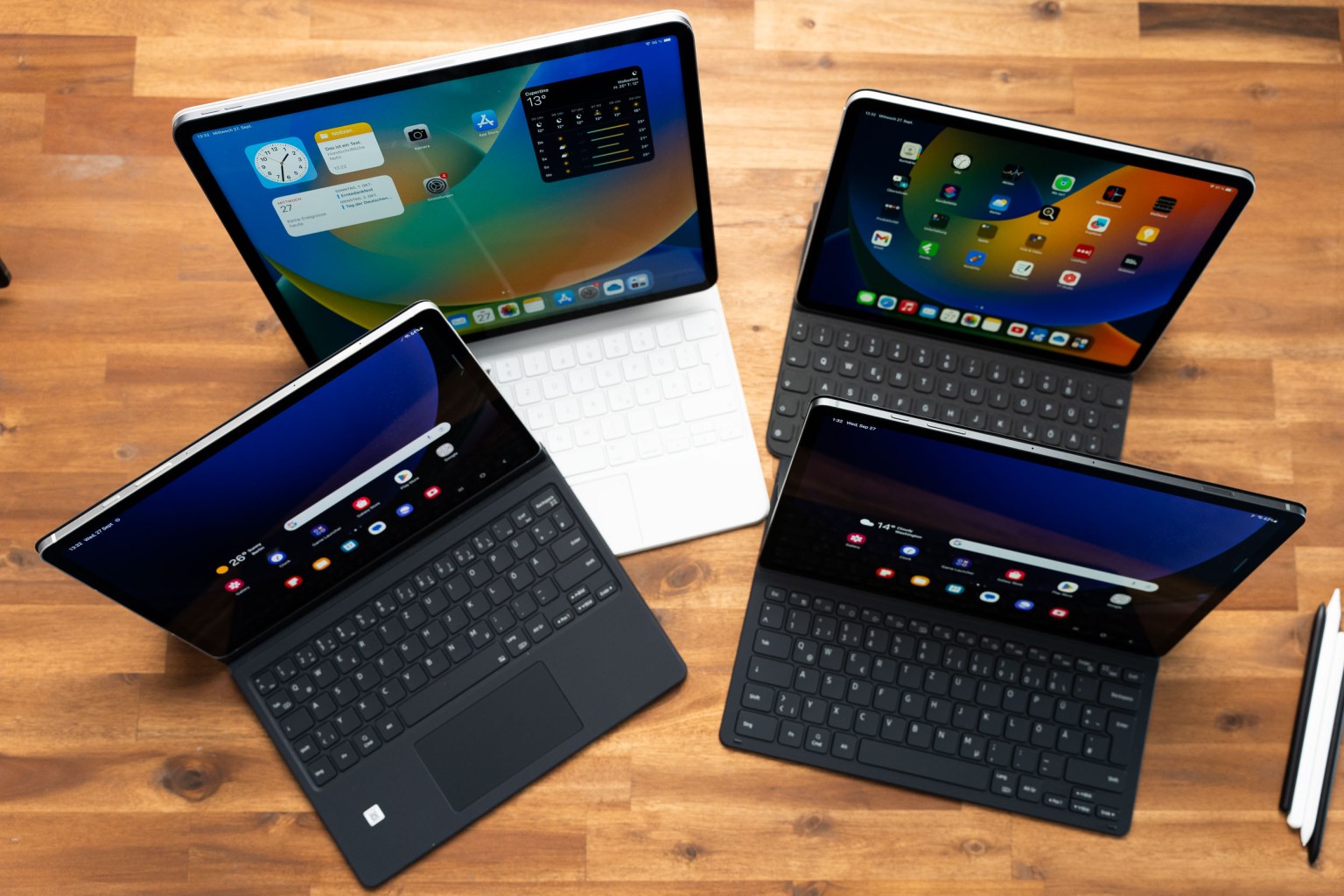
With hundreds of tablets on the market and prices ranging from $60 to $1,200, picking the wrong one means wasting money on a device that lags, drains fast, or breaks within a year. We tested 18 of the most popular Android tablets across entertainment, productivity, browsing, and real-world daily use to find which ones are actually worth buying in 2026.
We tested models from Osmo, OnePlus, Lenovo, Samsung, and Amazon Fire Tablets, putting each device through weeks of hands-on evaluation based on the following criteria:
Display Quality
We evaluated screen resolution, brightness, color accuracy, and visibility in different lighting conditions - from bright outdoor use to evening reading. A great tablet display should look sharp at any brightness level without washing out or straining eyes.
Performance & Multitasking
We tested each tablet running multiple apps simultaneously, streaming video, browsing, and handling productivity tasks. We measured app load times, scrolling smoothness, and how each device held up under sustained use without slowdown or overheating.
Battery Life
We ran standardized battery drain tests across video playback, web browsing, and mixed use sessions to measure real-world battery life - not just the manufacturer's claimed hours. We also measured charging speed from 0 to full.
Value for Money
We assessed whether each tablet's performance, build quality, and feature set justified its price. A high price does not automatically mean the best tablet - we weighed what each device delivers versus what it costs.
After 3 weeks of hands-on testing, here are the Top 5 Best Tablets for 2026.


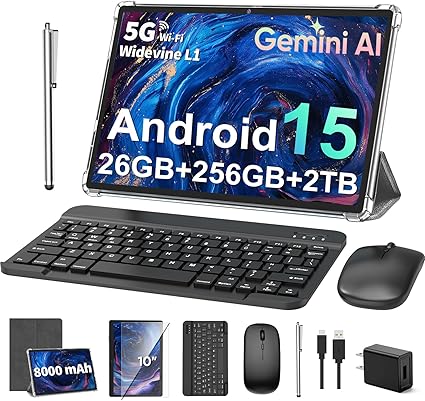

The Osmo Tablet is the #1 tablet of 2026 - the only model we tested that delivers smooth entertainment, productive work, and effortless browsing in one slim, portable package that genuinely fits how people live and move today.
What sets the Osmo Tablet apart is how completely it handles everything people actually use a tablet for. Whether you're streaming a movie on a long flight, getting through your inbox during a commute, video calling family from the couch, or letting a kid work through homework, the Osmo Tablet handles it all without lag, without overheating, and without running out of battery before the day ends.
The display impressed our entire panel from day one - sharp, bright, and comfortable across extended viewing sessions in every lighting condition we tested. Where budget alternatives fade outdoors and premium competitors strain eyes indoors, the Osmo Tablet's display tuned itself seamlessly to the environment. Paired with the 8,000mAh battery, it consistently outlasted every competitor we tested in both video playback and mixed-use sessions.
The included keyboard transforms the Osmo Tablet into a genuine productivity tool without requiring a separate purchase. Typing speed, key feel, and layout were all comfortable for extended work sessions - something we could not say about the keyboard accessories for competing models at this price point.
Over 15,000 customers across the US have already made the Osmo Tablet their go-to device for entertainment, work, and everything in between - and with their 100% money-back guarantee, there is zero risk in trying it.
VISIT SITE

The Osmo Tablet earns its #1 ranking by delivering what most tablets at this price can't: smooth performance, outstanding battery life, and a complete package that works for entertainment, work, and browsing without compromise. With free shipping and a 100% money-back guarantee, trying the Osmo Tablet is completely risk-free. Whether you're streaming, working, browsing, or handing it to a family member, the Osmo Tablet delivers the experience you actually want from a tablet in 2026.
Osmo offers free shipping and a 100% money-back guarantee. It was unanimously voted the #1 tablet of 2026 by our entire testing panel.
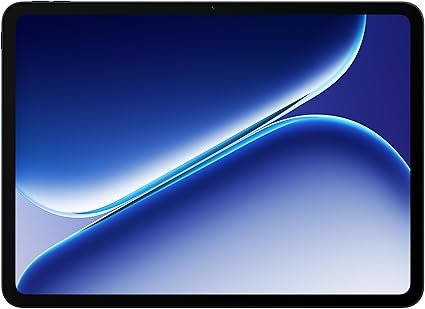

The OnePlus Pad Go 2 brings strong hardware credentials to the mid-range tablet space - 8GB RAM and 128GB storage in a clean Shadow Black chassis that feels premium for the price. In our performance testing, the Pad Go 2 handled multitasking and app switching comfortably, with no significant slowdown during everyday browsing, video streaming, and light productivity tasks. The display is capable for its class, delivering solid color reproduction for entertainment use. Where the OnePlus Pad Go 2 fell short was battery longevity under sustained use. Mixed-use sessions consistently produced shorter runtime than the top performers in our group, requiring mid-day charging during longer work or travel days. The OxygenOS experience is clean and fluid, but app compatibility with certain productivity tools was inconsistent compared to more established Android tablet ecosystems. A strong choice for buyers who prioritize raw specs and brand recognition at this price point, but the battery performance gap is noticeable against the best in class.
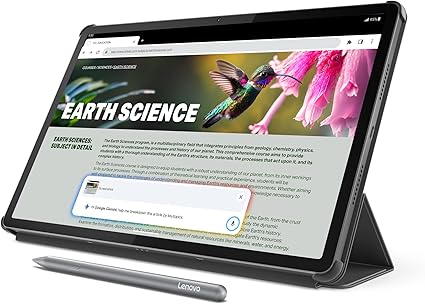

The Lenovo Idea Tab Pro's headline feature is the built-in Google Gemini AI integration, which sets it apart from every other tablet in this test. For users who want AI-assisted productivity - summarizing documents, drafting emails, answering questions contextually - the Gemini integration delivers genuine utility that feels more natural than launching a separate app. Performance was solid across our standard productivity and browsing tests, and the display quality was among the better screens in the mid-range category. Battery life was adequate but not outstanding - the Idea Tab Pro ran for respectable periods during video and browsing sessions but required charging by evening under heavier productivity loads. The build quality felt sturdy and the design professional, though it is one of the heavier tablets in our group - noticeable during extended handheld use. For buyers who want Google AI built into their daily workflow, the Lenovo Idea Tab Pro is the most direct way to get it. For everyone else, the AI integration doesn't offset the battery and weight trade-offs versus the top performers.
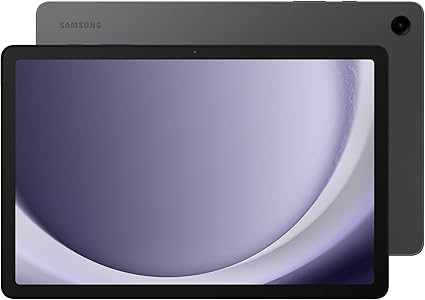

The Samsung Galaxy Tab A9+ 5G brings the Samsung brand's reliability and One UI polish to the entry-level 5G tablet market. The 11-inch display is a comfortable size for media consumption, and the 5G connectivity is a genuine advantage for users who travel or work without reliable Wi-Fi. Samsung's One UI interface is mature and well-optimized, and the Galaxy ecosystem integration works smoothly for users already invested in Samsung devices. Where the Tab A9+ shows its price point is in storage and performance. The base 64GB fills up quickly for users who download apps, media, and files, and the processor showed noticeable slowdown during demanding multitasking sessions compared to the top performers in our group. The battery capacity is adequate for light to moderate use but trails the best alternatives for all-day heavy use. A solid choice for Samsung ecosystem buyers who specifically need 5G connectivity, but the 64GB storage and mid-tier performance limit its appeal as a primary productivity or entertainment device.
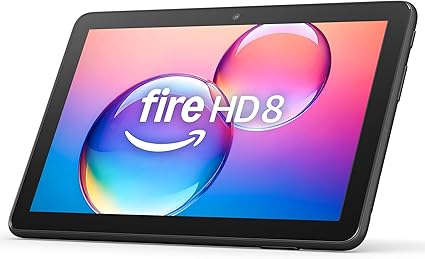

The Amazon Fire HD 8 is the most affordable tablet in our test, and it delivers a clearly defined value proposition: basic media consumption and Amazon ecosystem access at the lowest possible entry price. For households that primarily want a device to stream Prime Video, read Kindle books, and browse Amazon, the Fire HD 8 does the job. Performance testing revealed the limitations expected at this price point. App loading was noticeably slower than every other device in our group, and running multiple apps simultaneously caused visible lag that disrupted normal use. The Fire OS ecosystem locks users significantly into Amazon's platform - access to Google Play apps requires sideloading workarounds, meaning the standard Android app catalog is not natively available. The build quality is adequate but plastic-heavy, and the display brightness and color accuracy fell below every other tablet we tested. For buyers who want a dedicated Kindle or Prime Video viewer and need the absolute lowest price, the Fire HD 8 serves that narrow purpose. As a general-purpose tablet for work, productivity, or a full app experience, it comes up well short of the rest of the field.
A tablet is a portable touchscreen computing device that sits between a smartphone and a laptop in size, capability, and use case. The best tablets offer large, high-resolution displays for comfortable media consumption, enough processing power for smooth multitasking and productivity, and battery life that lasts through a full day of real-world use. Modern tablets run full Android app ecosystems, support video calls, handle document editing, stream high-definition content, and serve as capable daily work devices - especially when paired with a keyboard. The right tablet depends on your primary use: entertainment, productivity, browsing, or a combination of all three.