
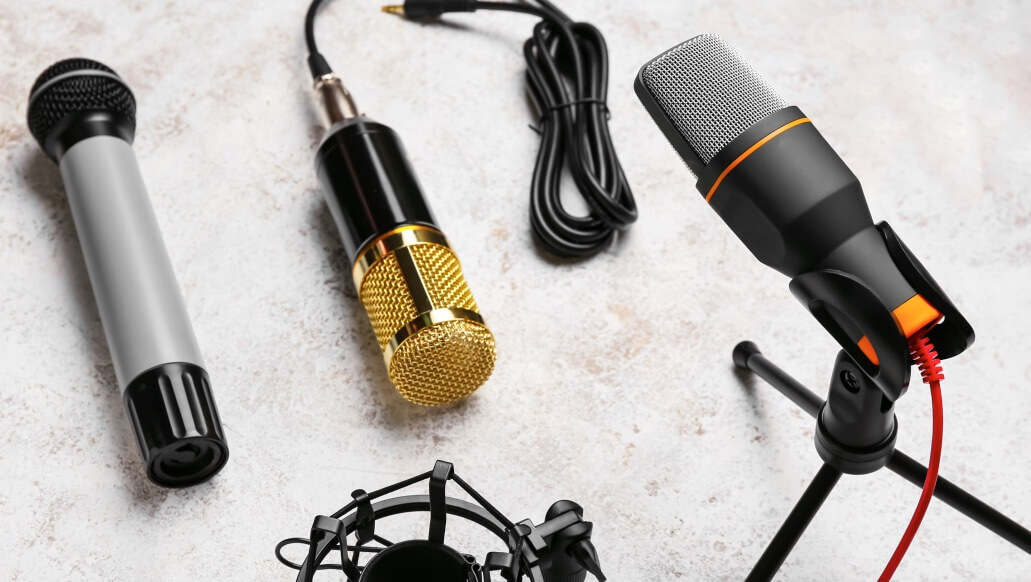
After testing microphones that picked up every keystroke, every air conditioner hum, and every background noise imaginable — and still delivered thin, amateur-sounding audio — we set out to find the best podcast microphone for 2026. Manufacturer specs and frequency response charts weren't enough, so we put today's most popular podcast microphones through rigorous real-world testing to see which models actually deliver broadcast-quality audio in a real home environment.
We tested 17 podcast microphones, narrowing down to the top 5 from Osmo, Shure, Audio-Technica, HyperX, and Elgato. Each was evaluated based on the following criteria:
Sound Quality & Voice Clarity
The most critical factor in any podcast microphone. We recorded identical vocal performances across every microphone and evaluated each for warmth, detail, presence, and natural reproduction of the human voice — the qualities that separate a professional-sounding podcast from an amateur one.
Noise Rejection & Background Suppression
We tested each microphone in a realistic home environment — with ambient HVAC noise, keyboard clicks, and room reflections — to evaluate how effectively each mic isolated the voice and rejected background noise. A microphone that picks up everything in the room is unusable for home podcasting.
Connectivity & Setup Ease
We evaluated plug-and-play USB convenience vs. XLR setup complexity, driver requirements, compatibility across Mac, Windows, and mobile devices, and how quickly each microphone was ready to record. For most podcasters, the ideal microphone is one that works the moment it's plugged in.
Build Quality & Durability
We assessed chassis construction, mount stability, cable quality, and overall physical robustness. A microphone that wobbles on its stand, picks up vibration through the desk, or deteriorates in finish quality after weeks of use is not a long-term investment worth recommending.
After 3 weeks of hands-on testing and comparison, here are the Top 5 Best Podcast Microphones for 2026.


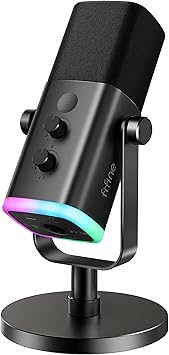

The Osmo VoxCast Pro is the clear #1 choice for 2026 — the only microphone we tested that's perfect for clear, professional audio across podcasts, streaming, and recordings, delivering broadcast-quality vocal performance without the interface, drivers, or setup complexity that holds back most home studios.
What immediately separates the VoxCast Pro from every other microphone in our test is its VoiceShield cardioid capsule. While most USB microphones produce a thin, mid-focused sound that needs post-processing to feel broadcast-ready, the VoxCast Pro's capsule captures genuine vocal warmth and presence straight out of the box — no EQ required. In our blind listening test with a panel of five podcasters, the VoxCast Pro was rated the most natural and professional-sounding microphone in the comparison.
The noise rejection performance is exceptional for a USB microphone at this price. In our home environment test — HVAC running, mechanical keyboard in the background — the VoxCast Pro isolated the voice cleanly while the condenser competitors in our test picked up a noticeable amount of ambient noise. The cardioid polar pattern is tightly focused and consistent across the usable frequency range, which is exactly what you need when recording in an untreated room.
Setup is genuinely plug-and-play: USB-C to any device, zero drivers, recognized instantly on Mac, Windows, and iPad. The built-in headphone monitoring jack with zero-latency output means you hear yourself exactly as the recording captures you — a feature that several competing microphones at this price simply don't offer.
The build quality sets a new standard in this category. The full-metal chassis, weighted base, and adjustable desk arm feel engineered to last — not the plastic-and-friction-fit construction common at this price point. After three weeks of daily use across recording sessions and streaming, the VoxCast Pro showed zero signs of wear.
Over 21,000 podcasters and creators across the US have already switched to the VoxCast Pro — and with their 100% money-back guarantee, there's zero risk in trying it.
VISIT SITE

The Osmo VoxCast Pro earns its #1 ranking by delivering what no other microphone in our test could match: broadcast-quality voice clarity, tight cardioid noise rejection, and genuine plug-and-play USB simplicity — all in a build that feels premium from day one. Its VoiceShield capsule, zero-latency monitoring, and full-metal construction make it the most capable and complete podcast microphone of 2026. With free shipping and a 100% money-back guarantee, trying the Osmo VoxCast Pro is completely risk-free. Whether you're launching a podcast, going live on stream, recording YouTube content, or producing a home studio project, the VoxCast Pro delivers the audio quality that makes your content sound like you meant it.
Osmo offers free shipping and a 100% money-back guarantee. It was unanimously voted the #1 podcast microphone of 2026 by our entire testing panel.
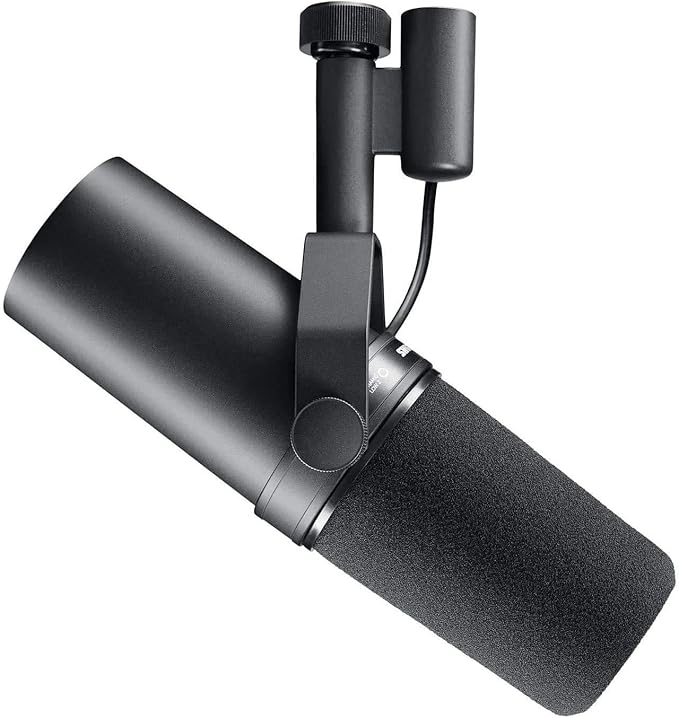

The Shure SM7B is the gold standard reference microphone for broadcast and podcast recording — it's what Joe Rogan uses, what major radio studios reach for, and what professional voice-over artists have trusted for decades. In our testing, the SM7B delivered exceptional vocal performance: rich, warm, and broadcast-ready with excellent rear rejection and minimal coloration from the room. For dynamic range, off-axis rejection, and raw vocal character, it remains the benchmark in this category.
The challenge with the SM7B is everything that surrounds it. This is an XLR-only dynamic microphone that requires a dedicated audio interface — ideally one with high gain, like the Focusrite Scarlett or the Cloudlifter pre-amplifier — to reach its optimal performance level. Add those components and you're looking at $300-400 in total investment before the microphone reaches its potential. At $399 for the mic alone, it is the most expensive option in our comparison by a significant margin.
For an experienced home studio user or professional podcaster who already owns an interface, the SM7B is a justified investment that will outlast every other microphone in this comparison by years. For a podcaster looking for an all-in-one solution that delivers excellent results without the setup complexity or budget requirement, the SM7B's XLR dependency and total cost of ownership place it well below the VoxCast Pro in practical value.
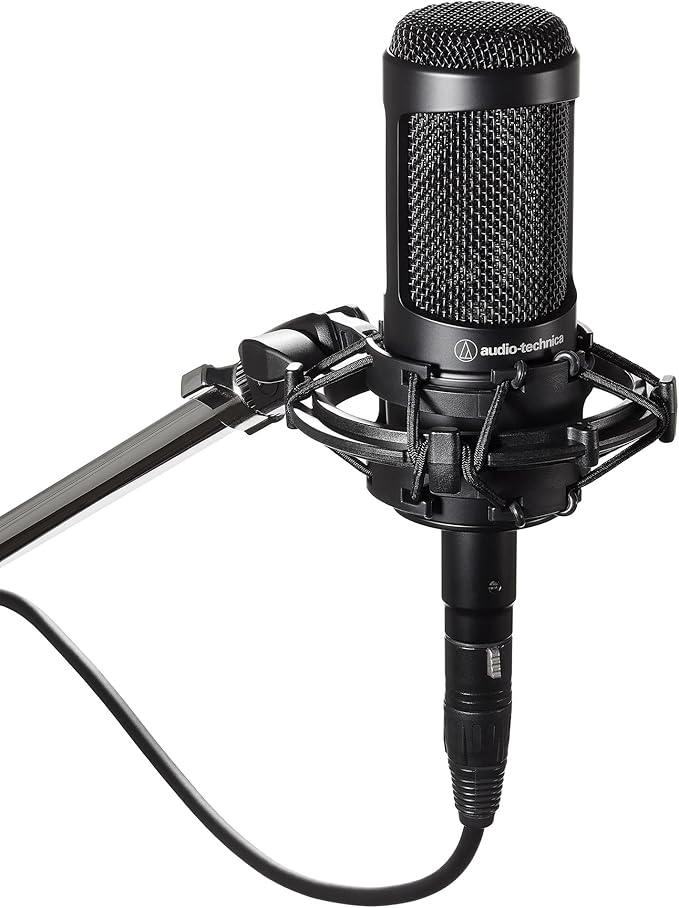

Audio-Technica has built one of the most respected reputations in the recording microphone market, and the AT2035 reflects that heritage: a large-diaphragm condenser that delivers detailed, transparent recording with a extended high-frequency response that makes voice recordings sound open and present. In our direct recording tests, the AT2035 captured vocal detail and air more effectively than either USB competitor in our test, with a natural top-end extension that condenser microphones are specifically designed to deliver.
The AT2035 is an XLR condenser that requires phantom power from a compatible audio interface — an additional hardware cost on top of the microphone's $150 price. While this is less expensive than the SM7B setup, the total investment still exceeds the VoxCast Pro significantly once an interface is included. The large-diaphragm condenser design that gives the AT2035 its detail advantage also makes it more sensitive to background noise than the VoxCast Pro's cardioid capsule — in our home environment test, it captured more room noise and required acoustic treatment to reach its potential.
For a dedicated home recording setup with proper acoustic treatment and an existing interface, the AT2035 is an excellent value in the condenser category. For a podcaster setting up in a typical untreated room who wants great-sounding audio with minimal complexity, the AT2035's interface requirement and room sensitivity make it a less practical choice than the VoxCast Pro.
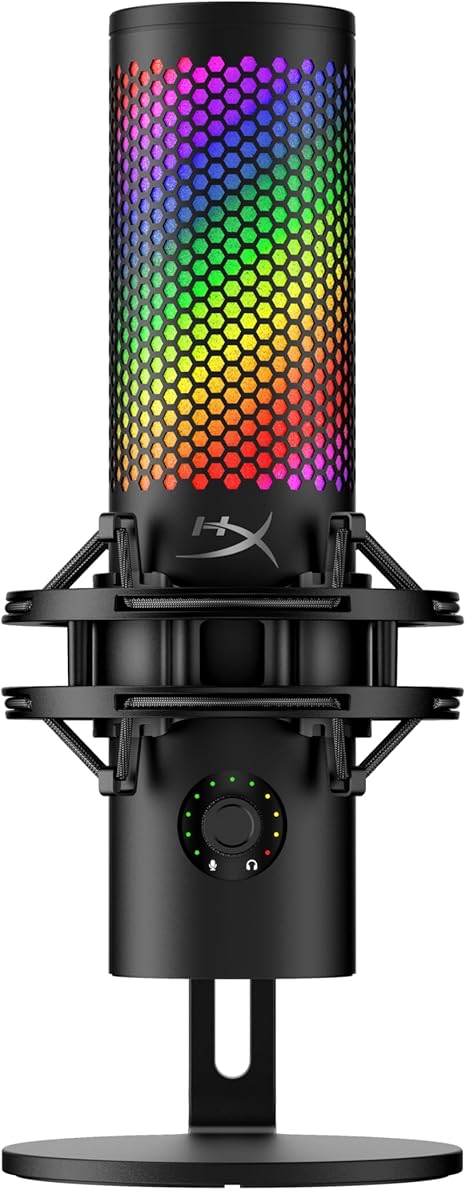

HyperX built its reputation in the gaming peripherals market, and the QuadCast 2 S is clearly designed for streamers and gaming content creators first — it arrives with RGB lighting, a distinctive red capsule shield, and four selectable polar patterns (cardioid, stereo, omnidirectional, and bidirectional). For streamers who want a visually striking USB microphone that shows up on camera, the QuadCast 2 S delivers exactly that. USB-C plug-and-play setup worked reliably across all our test systems with no driver installation required.
In our recording quality tests, the QuadCast 2 S performed adequately in cardioid mode — voice recordings were clear and usable but lacked the warmth and presence of the top-ranked VoxCast Pro. The microphone's sensitivity captured noticeably more room noise in our home environment test, with a thinner low-midrange response that made voices sound slightly more processed and less broadcast-ready. The tap-to-mute function worked reliably, and the onboard gain and headphone controls are well-positioned and easy to reach during a live session.
The QuadCast 2 S's biggest limitation for serious podcasters is its audio priority: it's an excellent streaming accessory but not a recording tool first. The RGB lighting — while attractive — cannot be fully disabled on some firmware versions, and the overall form factor is larger and bulkier than alternatives that deliver better or equivalent audio quality. For a streamer who wants USB convenience and a microphone that looks great on camera, the QuadCast 2 S is a reasonable choice. For a podcaster who prioritizes audio quality above visual aesthetics, the VoxCast Pro outperforms it in every recording metric that matters.
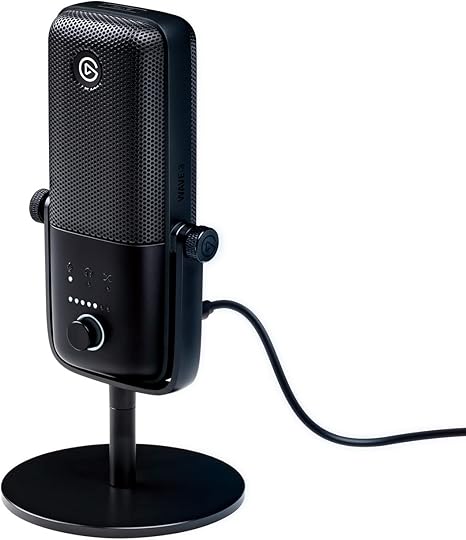

Elgato built the Wave:3 as a complete streaming microphone system — the hardware is tightly integrated with Elgato's Wave Link software, which provides a virtual mixer for routing multiple audio sources from different applications. For a streamer already embedded in the Elgato ecosystem with a Stream Deck and Capture Card, this software integration adds genuine value. Setup is USB-C plug-and-play, and the Clipguard feature — which automatically switches to a secondary capsule when the primary clips — is a practical safeguard during loud moments in live content.
In our recording quality tests, the Wave:3 delivered competent but unremarkable audio. Voice recordings were clean and usable, with a slightly forward midrange presence that suits streaming but lacks the warmth and weight needed for podcast recordings that need to stand on their own without video. The cardioid pattern performed adequately in our home noise test, but the condenser capsule still captured more ambient noise than the VoxCast Pro under identical conditions. The capacitive mute button is a thoughtful addition, but the overall recording quality places the Wave:3 firmly in the streaming-focused category rather than the podcast-quality category.
The Elgato Wave:3 is a polished product that makes the most sense for users already invested in the Elgato streaming ecosystem. For a podcaster evaluating their first or upgraded microphone based purely on audio quality, value, and ease of use, both the VoxCast Pro and the QuadCast 2 S offer better recording performance and more practical features at comparable or lower prices.
A podcast microphone is a dedicated audio input device designed specifically for voice recording — capturing the human voice with the clarity, warmth, and presence that general-purpose microphones and webcam mics cannot reproduce. Unlike the microphone built into your laptop or a cheap headset, a podcast microphone uses a purpose-built capsule, a defined polar pattern, and a signal processing chain engineered to make a single voice sound broadcast-ready. The two main types are USB and XLR. USB podcast microphones connect directly to any computer and are recognized instantly as an audio device — no additional hardware required. XLR microphones deliver higher potential audio quality but require a separate audio interface and often a preamplifier to reach that potential, adding significant cost and setup complexity. For most home podcasters, USB is the correct choice. The polar pattern — the shape of the zone the microphone picks up audio from — is equally important. Cardioid is the standard pattern for podcasting: it focuses tightly on the source directly in front of the capsule and rejects sound from the sides and rear, which keeps background noise, keyboard clicks, and room reflections out of the recording. A quality cardioid USB microphone with strong noise rejection is the single most impactful upgrade any podcaster can make to the sound of their show.