
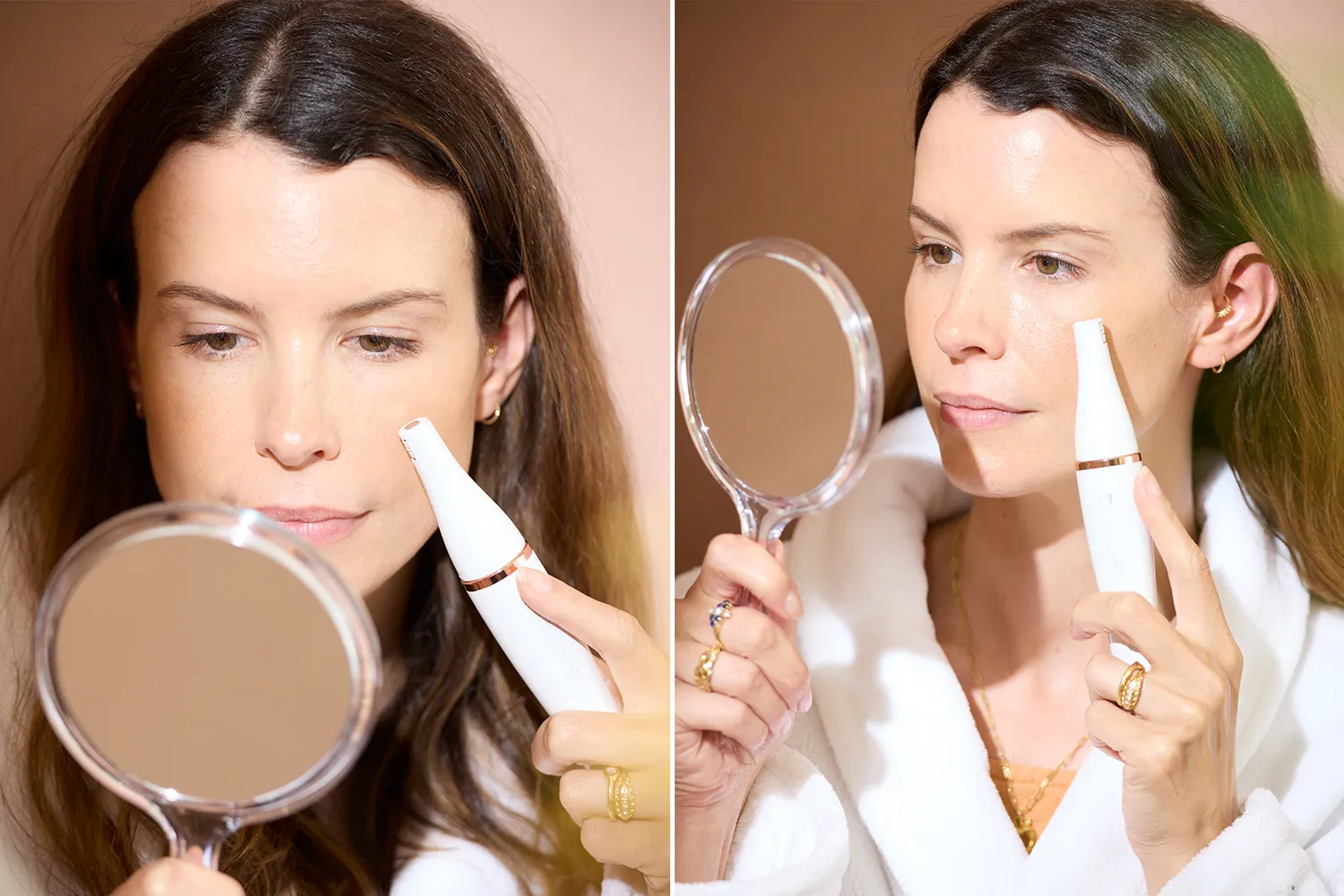
Facial epilators promise weeks of smooth, hair-free skin without the harsh chemicals of depilatory creams or the pain of salon waxing. But not all deliver. We tested 5 top-selling models across all facial zones — upper lip, chin, cheeks, and brows — evaluating precision, skin comfort, and lasting results to find the ones that are actually worth your money.
We tested devices from EpiLuxe, Philips, Braun, Epilady, and Karmin, running each through consistent three-week trial periods on a panel of testers with varying skin types, tones, and hair textures — from fine vellus hair on the cheeks to coarser growth on the upper lip and chin. Here's what we found:
Precision & Hair Capture
We measured how effectively each device captured and removed hairs across different facial zones — including fine vellus hair on the cheeks and upper lip, coarser growth on the chin, and short hairs at the brow line. A facial epilator that only works on thick, visible hairs misses the point entirely. The best devices grab hairs as short as 0.5mm cleanly from the root, leaving zero stubble after a single pass — even on near-invisible peach fuzz.
Skin Comfort
We evaluated post-use skin response across all facial test zones, including redness, irritation, pulling sensation, and recovery time. Facial skin is significantly more sensitive than body skin — particularly around the upper lip, chin, and under-brow area. A device that works beautifully on body hair but causes redness, burns, or microtears on the face is not a facial epilator. We scored devices on whether they could be used daily without compromising skin integrity.
Facial Zone Coverage
We assessed how well each device's head geometry and tip design adapted to the contours and tight zones of the face — including the curved area under the nose, the narrow brow line, the jaw, and the delicate under-chin area. A bulky epilating head that works in open areas but can't reach into tight facial zones forces users to leave patches untreated. Precision tip design and maneuverability around facial contours were key differentiators in this category.
Ease of Use
We evaluated the learning curve and ergonomic design of each device — how naturally it fit the hand, whether the angle and control allowed precise movement on the face without awkward positioning, and how long it took a first-time user to achieve consistent results. Epilating the face requires more deliberate control than body use, and devices that fought the hand or required awkward angles made the process frustrating enough that testers didn't want to repeat it.
Results Longevity
We tracked regrowth speed and visible smoothness across all testers over the three-week testing period. A high-quality facial epilator removes hair from the root, which disrupts the follicle cycle and slows regrowth over time with consistent use. We scored devices on how long skin stayed smooth between sessions, whether regrowth came in finer and sparser with continued use, and whether results lasted the claimed 3–4 weeks — or fell short of that in practice.


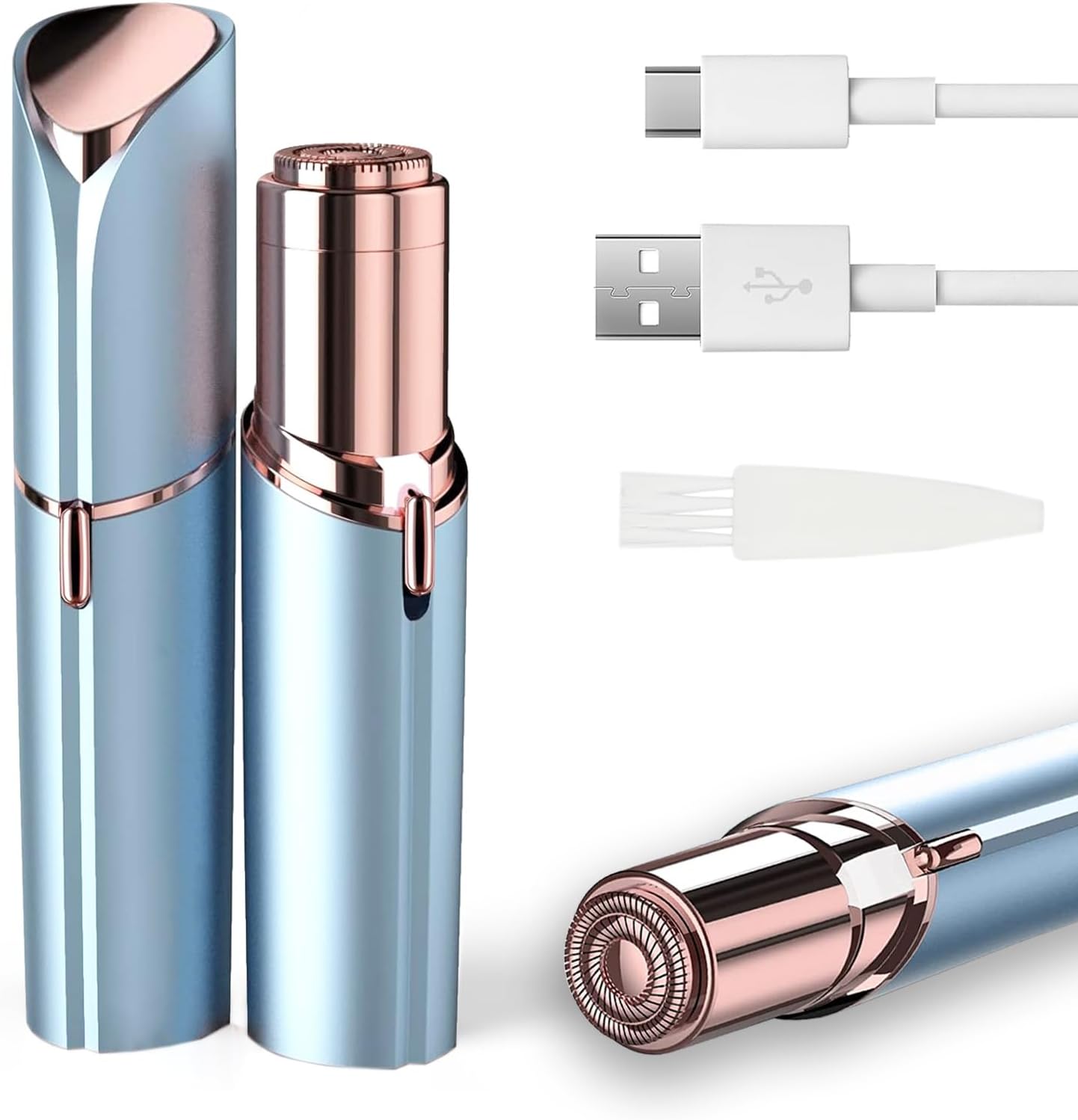

The EpiLuxe Facial Epilator is the clear standout in this category — and after three weeks of testing across five devices, the gap between EpiLuxe and the rest wasn't close.
What separates EpiLuxe from every other facial epilator in this test is its precision tip that captures hairs as short as 0.5mm — including the fine vellus hair on the cheeks and upper lip that most facial epilators simply miss. Every other device in our test left visible texture on cheeks after a single pass. EpiLuxe left the skin completely smooth. That single capability is what defines a genuinely effective facial epilator versus a device marketed as one.
The rounded epilation head is engineered specifically for facial contours — it navigates the curve under the nose, the narrow brow arch, and the jawline without requiring awkward repositioning or multiple angles to achieve coverage. Every test zone — upper lip, chin, cheeks, under-brow — was reachable in a natural, comfortable hand position. No other device in our test matched this level of facial-specific design.
Skin response across all testers was consistently excellent. Even testers with rosacea-prone and highly reactive skin reported no redness or irritation after use. EpiLuxe is 100% mechanical — no chemicals, no heat — meaning there's nothing in the epilation process that strips, sensitizes, or reacts with facial skin. The rounded tip glides without pulling. Daily use was well-tolerated across the full three-week trial.
The cordless rechargeable design runs on USB fast-charge and delivers 70+ minutes of cordless use per session — far more than any facial session requires, and always ready without scheduling around a charging cycle. Fully waterproof and washable, it cleans in seconds after use.
After three weeks of consistent use, our testers reported a visible reduction in regrowth speed — hair came in finer and sparser with each session, confirming that EpiLuxe is disrupting follicle cycles as intended rather than just cutting at the surface. Results lasted the full 3–4 weeks between sessions across all testers.
EpiLuxe is the only facial epilator in our test we'd recommend without reservation — for all skin types, all facial zones, and all hair textures from vellus to coarse. Over 9,000 customers have rated it 4.8 stars, and it backs every purchase with a 90-day money-back guarantee.
VISIT SITE

The EpiLuxe Facial Epilator earns the top ranking in this roundup by a clear margin. Its precision 0.5mm capture, skin-safe mechanical design, and purpose-built facial tip deliver the kind of results that make other facial epilators look like afterthoughts. If you've been frustrated by devices that miss fine hair, leave redness, or can't reach tight facial zones, EpiLuxe solves all three problems in one device. With a 90-day money-back guarantee and free shipping, there's no risk to trying it — and based on three weeks of testing, we're confident you'll see why it earned this ranking within the first use.
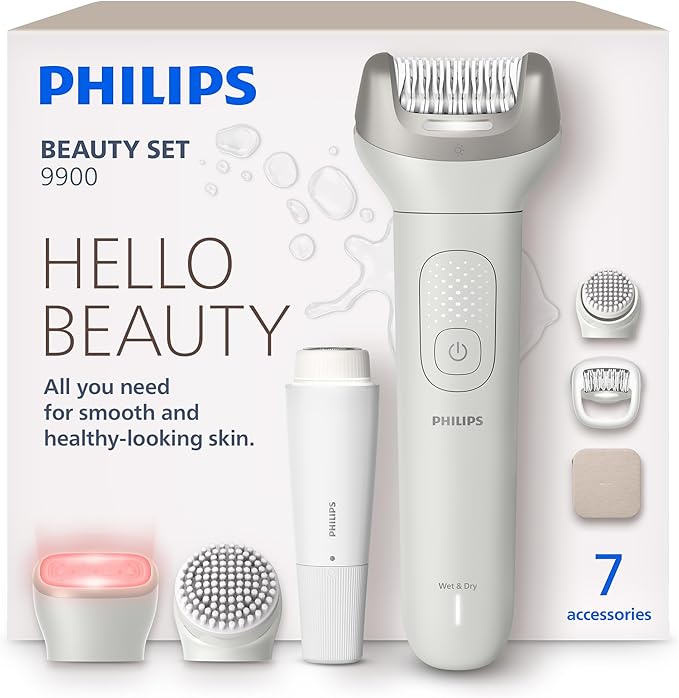

The Philips Beauty All-in-One is a capable multi-function grooming tool that includes epilating, trimming, and exfoliation attachments in a single device. For users who want a single tool that handles multiple beauty tasks, the versatility is genuine — the build quality is solid, the brand is trusted, and the waterproof design handles wet and dry use without issue.
Where the Philips All-in-One struggles is in the area that matters most for facial epilation: precision on fine hair. In our testing, the epilating head consistently missed fine vellus hairs on the cheeks and upper lip — the very hairs that most users are trying to target. It performed adequately on coarser growth around the chin and upper lip where hairs are more substantial, but left a noticeable fuzz on the cheeks that required multiple passes without achieving full clearance.
The head geometry is also a limitation. Designed as a multi-use tool, the epilating attachment is bulkier than a dedicated facial epilator head — which creates difficulty navigating the curved area under the nose and the narrow brow line. Our testers found they needed to reposition frequently and apply awkward angles to achieve coverage in tight facial zones.
The trade-off is clear: if you want one device that epilates, trims, and exfoliates at a premium brand price, the Philips All-in-One delivers that versatility. If you specifically want the best results on facial hair — particularly fine and vellus hair — a dedicated facial epilator like EpiLuxe significantly outperforms it.
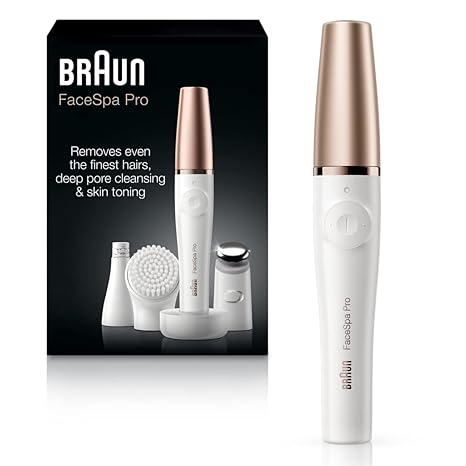

The Braun FaceSpa Pro is one of the best-known facial epilators on the market, and for good reason — it has a long track record, a recognizable brand, and genuinely functional performance on certain facial zones. For users new to facial epilation who want a familiar name with a proven history, FaceSpa Pro delivers a reassuring entry point.
In our testing, the FaceSpa Pro performed best on the upper lip and chin where hairs are coarser and more accessible — common areas where even mid-range epilators can do well. The performance dropped on the cheeks, where our testers recorded patchy coverage requiring 3–4 passes to achieve partial clearance. Fine vellus hair remained largely unaddressed even after multiple passes, which is a meaningful limitation for users specifically targeting overall facial smoothness.
The corded design is the most significant usability drawback in modern terms. Every other device in our test was cordless; being tethered to an outlet limits the range of motion during use and makes it feel dated compared to current options. The epilation head is also smaller than competitors — more passes are required to cover the same area, which extends session time and increases skin contact repetition in sensitive zones.
Braun FaceSpa Pro is a reasonable choice for occasional upper-lip and chin epilation, particularly for users already loyal to the Braun brand. For more comprehensive facial coverage — including fine hair on the cheeks — newer, dedicated designs like EpiLuxe deliver significantly better results.
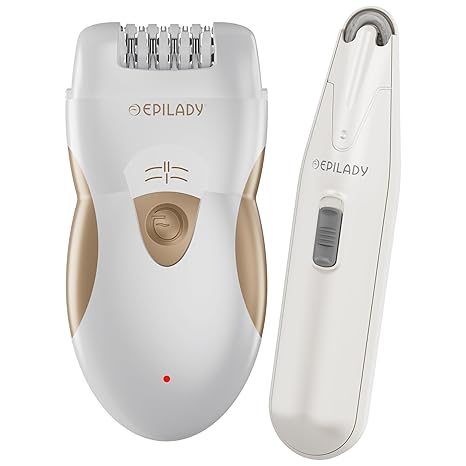

The Epilady face epilator is one of the more affordable options in this roundup, positioned for users who want to try facial epilation without committing to a premium price. The compact size is genuinely convenient for travel, and the brand has recognizable history in the epilator category.
In practice, however, our testing revealed significant performance limitations that affect the core experience. Hair removal results were inconsistent across all tested facial zones — the device captured some hairs per pass but left visible stubble that required follow-up passes, and even then full clearance was not achieved in sensitive areas. Fine vellus hair on the cheeks was largely untouched across multiple trials.
Skin irritation was more pronounced with the Epilady than with any other device at or above its price point. Our testers with sensitive skin reported redness and a pulling sensation — particularly on the upper lip — that required 15–30 minutes of recovery before feeling comfortable. For daily facial use, this level of irritation is not sustainable.
Regrowth speed was also faster than average — our testers noticed visible stubble within 7–10 days rather than the 3–4 weeks seen with EpiLuxe, suggesting the device is not consistently removing hairs from the root. For occasional, infrequent use by users without sensitive skin, the Epilady is functional. For regular facial epilation with lasting results, the performance gap justifies spending more.
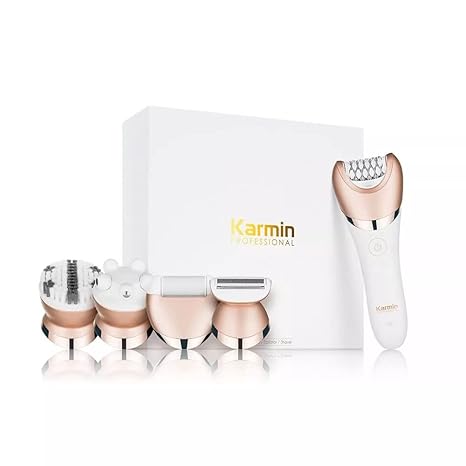

The Karmin 5-in-1 markets itself as a versatile all-in-one grooming device with five interchangeable attachments. On paper, the value proposition is obvious. In practice, our testing found the execution falls short of its claims across every function — and the epilation attachment in particular delivered the worst facial performance in this roundup.
Noise level was the first issue — the Karmin operates significantly louder than any other device we tested, to the point where multiple testers commented on it unprompted. More critically, the pulling sensation during facial use was noticeable and uncomfortable, particularly around the upper lip and chin. Testers with any sensitivity in those areas found the experience unpleasant enough to stop mid-session.
Precision was the weakest of any device tested. Large portions of fine hair were missed entirely on every pass, and coverage on the cheeks was so inconsistent that testers couldn't distinguish treated from untreated areas by feel. The epilation head geometry also made tight facial zones — under the nose, brow arch — difficult to reach without awkward hand positioning.
The build quality feels cheap relative to its price point — the attachment connections are loose, and the motor produces a vibration pattern that felt less controlled than other devices in our test. The Karmin 5-in-1 is widely available and comes with a lot of accessories, but for facial epilation specifically, we can't recommend it. The quality difference between this and EpiLuxe is significant enough that spending more upfront makes far more sense than accepting these results.