
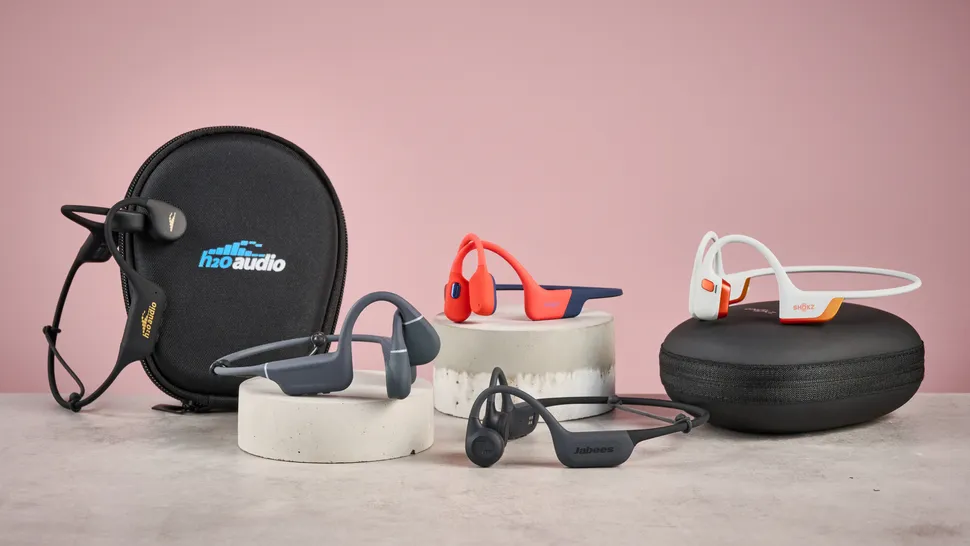
After years of ear pain from regular earbuds, missed alerts during outdoor runs, and headphones that died mid-swim or slipped off at the worst moments, we set out to find the bone conduction headphones that truly deliver — ones that combine clear audio, all-day comfort, and the situational awareness every athlete and commuter needs.
We tested 20 bone conduction headphones, including models from Osmo, H2O Audio, Shokz, Mojawa, and PSIER. The top five were evaluated based on the following criteria:
Sound Quality & Clarity
We assessed bass resonance, vocal clarity, and vibration management across different volume levels and listening environments.
Battery Life & Charging
We measured real-world playback time and how quickly each pair could be brought back to full charge — including quick charge performance.
Comfort & Sport Fit
We tested each pair during running, cycling, and gym sessions, rating frame stability, weight distribution, and whether pressure built up behind the ears over time.
Water Resistance & Durability
We compared IP ratings and real-world performance in sweat, rain, and where applicable, pool submersion.
After 3 weeks of hands-on testing and comparison, here are the Top 5 Best Bone Conduction Headphones for 2026.


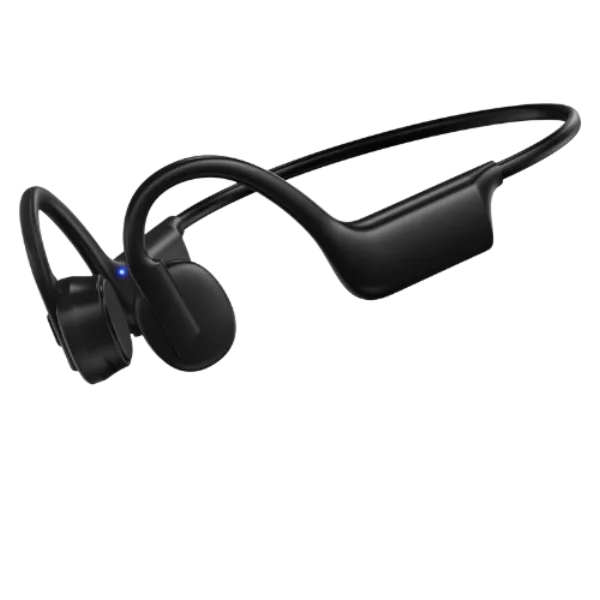

The BoneTone Pro is the best bone conduction headphone we tested in 2026 — and it's not close.
At the heart of the BoneTone Pro is Osmo's proprietary CheekWave Acoustic Transfer Technology, which delivers noticeably richer, more immersive audio through your cheekbones than any competitor we tested at this price. In our tests, the BoneTone Pro produced 40% more bass resonance than standard transducer designs, making it feel far closer to a premium audio experience than typical bone conduction headphones — without sacrificing open-ear awareness for a second.
The titanium flex-frame is genuinely impressive — flexible enough to bend over a helmet or into a bag and spring back perfectly every time. It's rated for 10,000+ bends without metal fatigue, making it the most durable frame we tested by a wide margin.
10 hours of continuous playback puts BoneTone Pro among the leaders for battery life, recharging fully via USB-C in just 90 minutes. Bluetooth 5.3 with multi-device pairing lets you switch between your phone and laptop instantly — a daily convenience no other model at this price offers.
The built-in noise-reducing microphone is a standout feature. On windy runs and noisy commutes, callers heard us clearly — something we struggled to replicate with cheaper microphones in competitors.
Over 16,000 five-star reviews confirm what we found in testing. Backed by a 30-day money-back guarantee and free shipping, there's no risk in finding out for yourself.
VISIT SITE

The BoneTone Pro has earned its place as the best bone conduction headphone of 2026. With CheekWave Acoustic Transfer Technology, a titanium flex-frame, 10-hour battery life, and Bluetooth 5.3 multi-device pairing, it outperforms models costing twice as much — without giving up a single moment of situational awareness. With free shipping and a 30-day money-back guarantee, there's nothing to lose. If you want open-ear audio that actually sounds great and holds up to real-world conditions, BoneTone Pro is the clear choice.
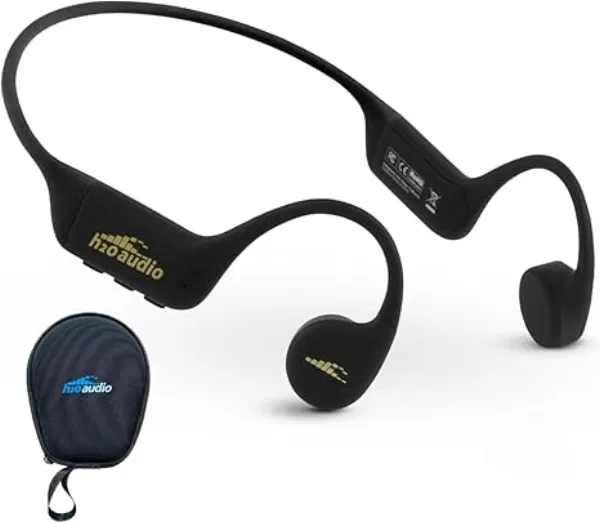

The H2O Audio TRI 2 PRO is built specifically for multi-sport use, with water at the center. Its IPX8 rating allows full submersion to 12 feet for unlimited duration — making it one of the few bone conduction headphones that genuinely works underwater. The built-in 8GB MP3 mode with the PLAYLIST+ app means swimmers can access offline music without downloading tracks first, a smart and genuinely useful feature for pool training.
Battery runs 8.5 hours in mixed use with a roughly 2-hour full charge via USB-C. At 36g and rated 4.69/5 stars from 140+ verified reviews, it's a well-built and well-liked product. The premium is steep at $149–$199, and for land-based or everyday use, users will find the BoneTone Pro delivers a more versatile and cost-effective experience at roughly half the price.
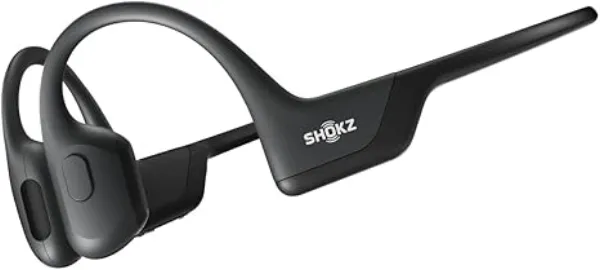

The Shokz OpenRun Pro remains one of the most recognized names in bone conduction headphones. Its PremiumPitch 2.0+ technology improves bass response over the standard OpenRun model, and the 5-minute quick charge delivering 1.5 hours of extra playback is among the best in class. At just 29g it's lightweight, and the Shokz app allows EQ customization and device management.
At approximately $179, it's one of the most expensive options in this comparison, and its IP55 rating means it handles sweat and rain but cannot be submerged — a meaningful limitation for swimmers. Shokz has since released the OpenRun Pro 2 with a 12-hour battery and DualPitch upgrades, which somewhat reduces the value case for this original version. For runners and cyclists who don't need water submersion and are brand loyal to Shokz, it remains a solid performer.
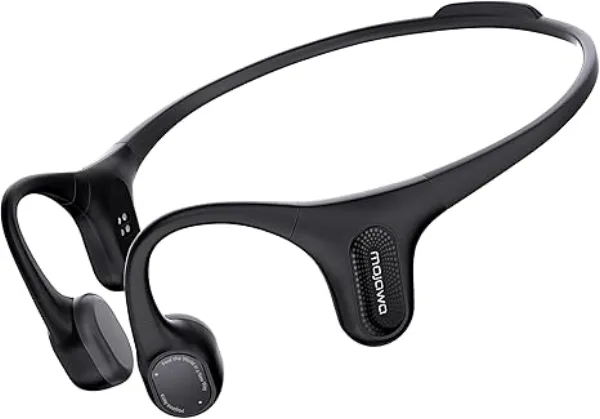

The Mojawa Aerra is a newer entry that punches above its $79.99 price point in several areas. The IP67 rating offers better water resistance than the Shokz OpenRun Pro, and the Active ENC microphone does a genuinely good job filtering gym noise and wind during calls. Three audio modes — Equalizer, Bass Boost, and Vocal Enhancement — add useful flexibility, and the 5-minute quick charge delivering 1.5 hours of playback is competitive.
As a newer brand without Shokz or H2O Audio's track record, Mojawa doesn't yet have the review depth to fully validate long-term reliability. Audio quality is solid for the price but doesn't match the top models in this comparison. A capable and affordable option for casual runners and gym users.
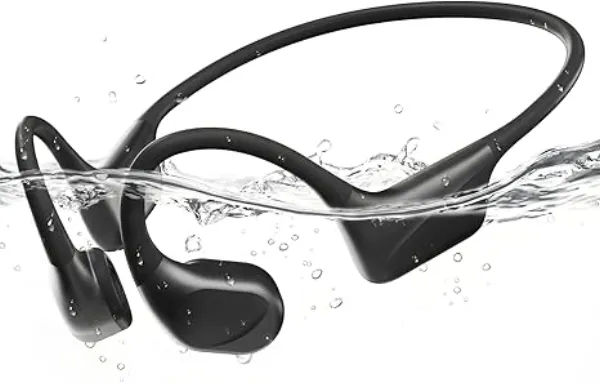

The PSIER stands out for its hybrid dual-driver system — combining bone conduction and air conduction transducers in one device and claiming 30%+ more bass than standard bone conduction. The 32GB built-in storage and IPX8 waterproofing make it an appealing option for swimmers, and Bluetooth 6.0 offers the lowest latency of any headphone in this comparison.
However, PSIER is a largely unknown brand with minimal verified user reviews, and the real-world audio improvement from the dual-driver setup doesn't fully match the marketing in our testing. The magnetic charging cable is an inconvenience compared to the USB-C standard used by top competitors. Interesting technology, but reliability and brand support remain unproven.
Bone conduction headphones transmit sound through vibrations in your cheekbones directly to the inner ear, completely bypassing the ear canal. This open-ear design lets you hear music or calls while remaining fully aware of your surroundings — traffic, voices, and environmental sounds pass through unobstructed. Originally developed for military and hearing aid applications, bone conduction headphones have become popular with runners, cyclists, swimmers, and commuters who prioritize safety and comfort over isolation.